Minister of State for Sports Raksha Khadse announces unique nationwide ASMITA League to mark International Women’s Day
Minister of State for Sports Raksha Khadse announces unique nationwide ASMITA League to mark International Women’s Day
• On March 8, 36 centres across eight states in North-eastern India will focus on athletics across the age groups of under 13, 13–18 and 18+ categories
• ‘The objective is to encourage girls in villages and small towns to take up sports as a career as envisioned by our Hon’ble Prime Minister Narendra Modi’
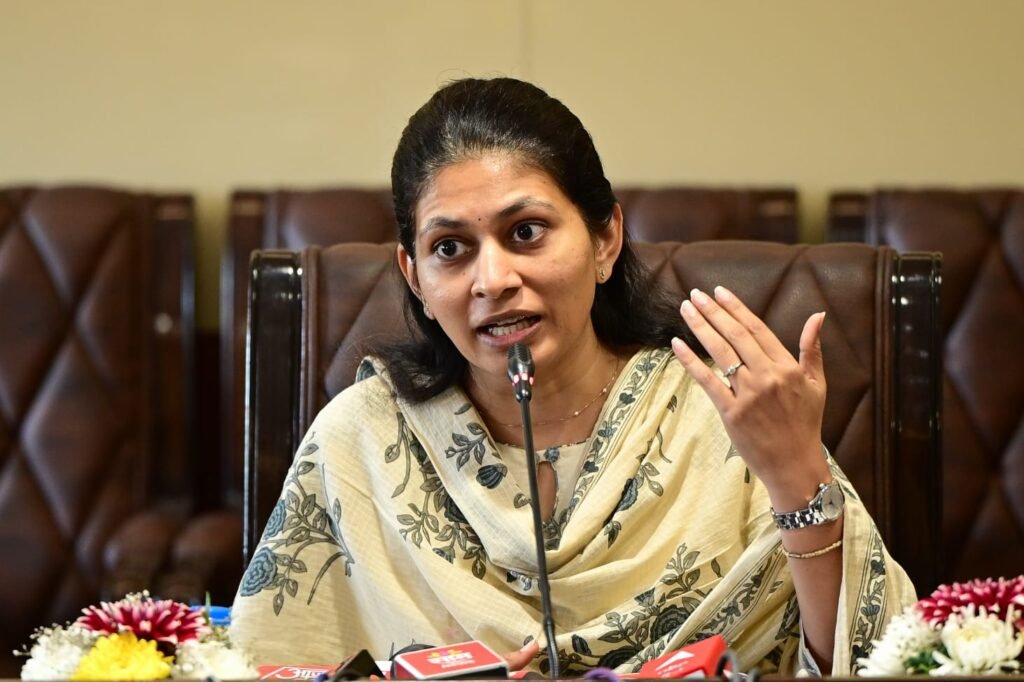
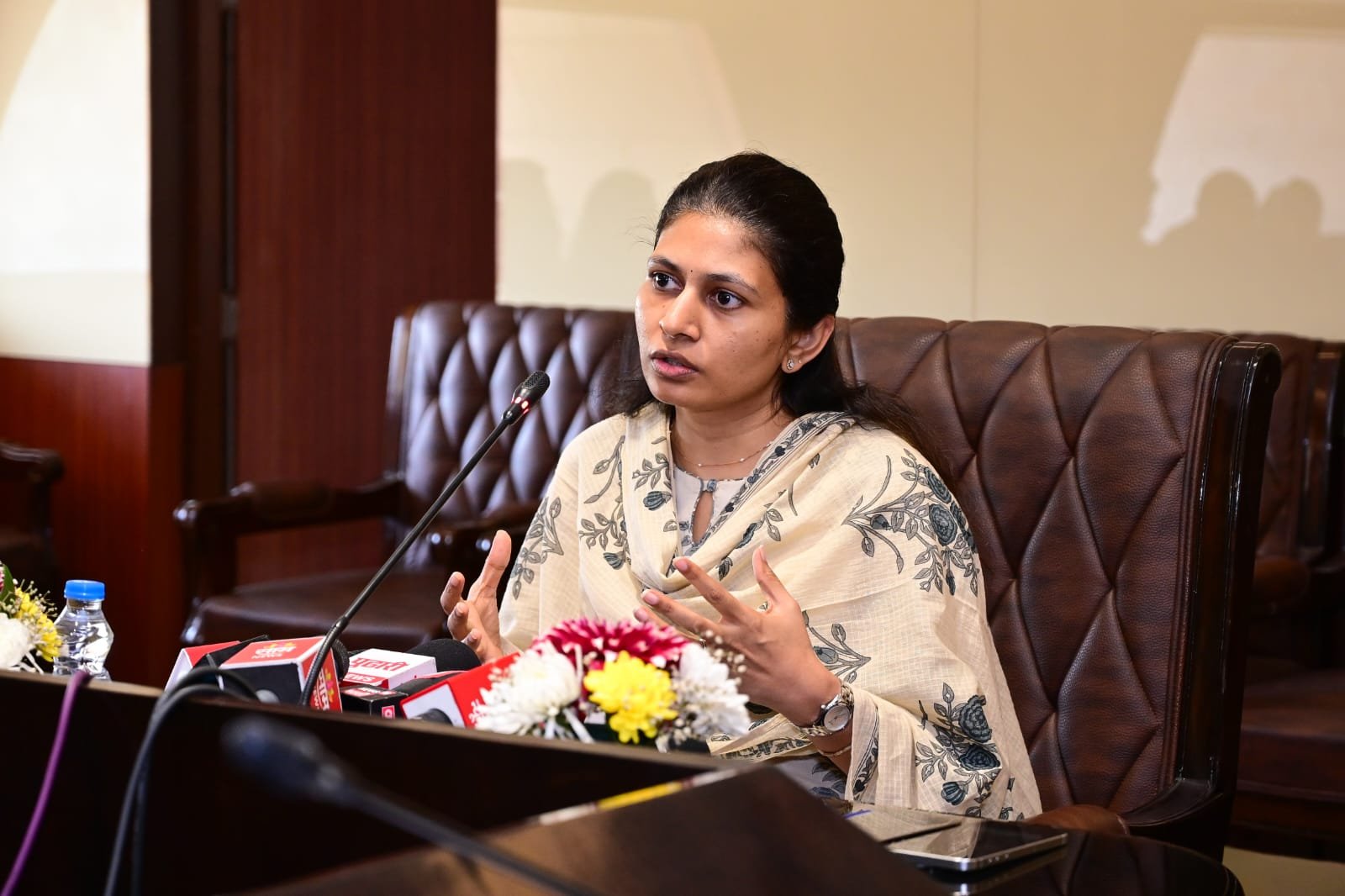
DD TIMES, New Delhi, March 2: In a unique initiative to celebrate women in sport, a massive nationwide athletics league at 250 locations will be held under the Union Ministry of Youth Affairs and Sports’ ASMITA (Achieving Sports Milestone by Inspiring Women Through Action) programme to celebrate International Women’s Day on March 8. This was announced by Minister of State, Shrimati Raksha Nikhil Khadse here on Monday.
In eight North-east Indian states, athletics evets will be held in 36 different centres. Assam will celebrate International Women’s Day in 10 centres while Manipur (6), Nagaland (6) and Arunachal Pradesh (5) will be the other venues hosting the special ASMITA league. Meghalaya (3 centre), a centre each in Tripura and Sikkim will also join the celebrations.
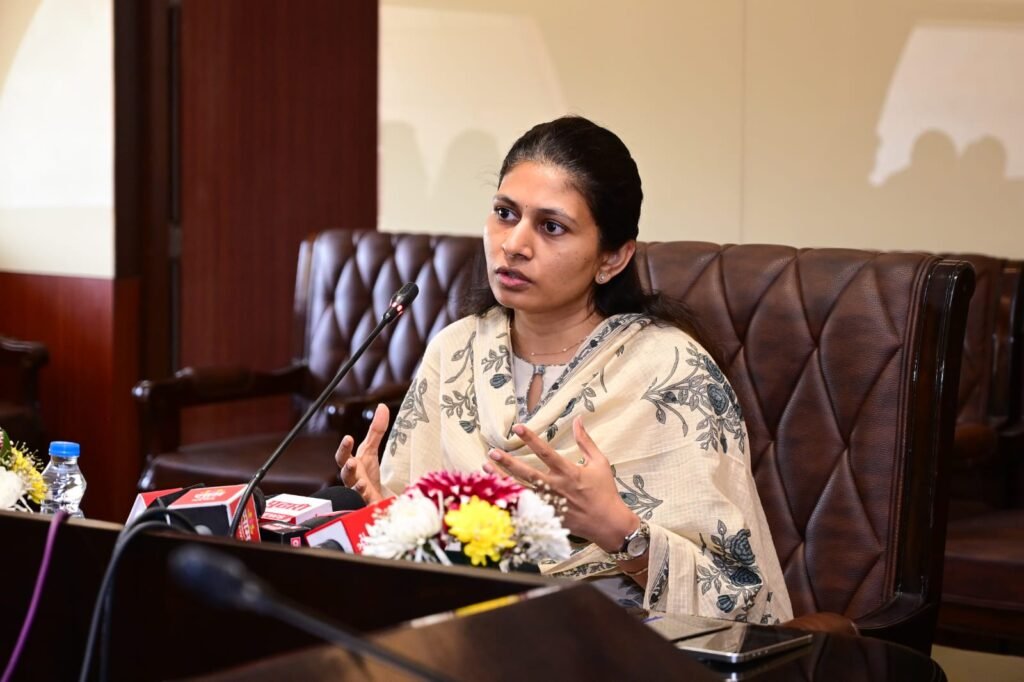
“There can’t be a better opportunity to integrate our young women across the nation and what better tool than using the ASMITA platform that is already gaining in popularity across the length and breadth of the country,” said Shrimati Khadse at a media conference held at the Major Dhyan Chand National Stadium here.
ASMITA is part of Khelo India’s gender-neutral mission to promote sports among women through leagues and competitions. The Sports Authority of India (SAI) supports National Sports Federations to conduct Khelo India women’s leagues across multiple age groups at both zonal and national levels. Started in 2021, ASMITA leagues not only aim to increase the participation of women in sports but to utilise the leagues as a platform for identification of new talent across the length and breadth of India.
So far, more than 2600 leagues have been conducted across 34 sports disciplines in over 550 districts and 700 cities in the country. Significantly, ASMITA has reaches the farthest corners of the country, like Arunachal Pradesh and Mizoram in the North-east. It has also been held in areas that were once tormented by Naxalism. More than 300,000 women have taken part.
Shrimati Khadse said events will be conducted at 250 locations nationwide, focusing on athletics (100m, 200m, 400m) across the age groups of Under-13, 13-18 years and 18+ categories. Each venue will deploy 5 technical officials, 10 volunteers, one competition manager, one PCA (Past Champion Athlete) and District Youth Officer.
It is expected that a record 2,50,000 women will participate on a single day to celebrate International Women’s Day.
This initiative will be implemented in collaboration with MY Bharat, Khelo India Centres (KICs), SAI ecosystem & NCOEs, State & District Sports Associations as well as District Youth Officers (DYOs).
“The League will be organized in more than 30 States and Union Territories, including North-east States. The objective is to encourage more and more girls in villages and small towns to take up sports as a career as is envisioned by our Hon’ble Prime Minister Narendra Modi,” Shrimati Khadse said.
As India prepares for the Commonwealth Games 2030 and pursues its ambition to host the 2036 Olympic Games, Shrimati Khadse said, “We must understand that readiness begins at the district level. Hosting an Olympic Games requires more than infrastructure. It requires trained human resources in every district of India. It requires certified technical officials. It requires administrative excellence. This International Women’s Day initiative is part of that preparation.”
Each athletics event at 250 different locations will also include women technical officials, developmental workshops and introduction to Athletics Federation of India aligned officiating norms as well as digital data upload and competition documentation training to ensure capacity building.