GOOD NATURE: Astalakshmi Carnival 2026 in Delhi showcases Northeast India’s culture, cuisines, music, and more
Day 1 of Astalakshmi Carnival 2026 in Delhi showcases Northeast India’s culture, cuisines, music, and more
New Delhi, January 3, 2026: The first day of the Astalakshmi Carnival 2026 unfolded in vibrant splendour at the PSOI Club Lawn, Nehru Park, Chanakyapuri, as the national capital witnessed an immersive celebration of the rich cultural tapestry of diverse North Eastern states. Marking the beginning of a two-day festival dedicated to food, culture, music and community celebration, Day 1 drew an enthusiastic gathering of cultural practitioners, students, families and Delhiites eager to experience the spirit of the North East India.
An initiative of Yugasutra, the Astalakshmi Carnival aims to create a meaningful cultural bridge between the North East India and the national capital. The opening day successfully set the tone for the festival, combining traditional performances, contemporary expressions, interactive sessions and culinary showcases into a vibrant cultural narrative.
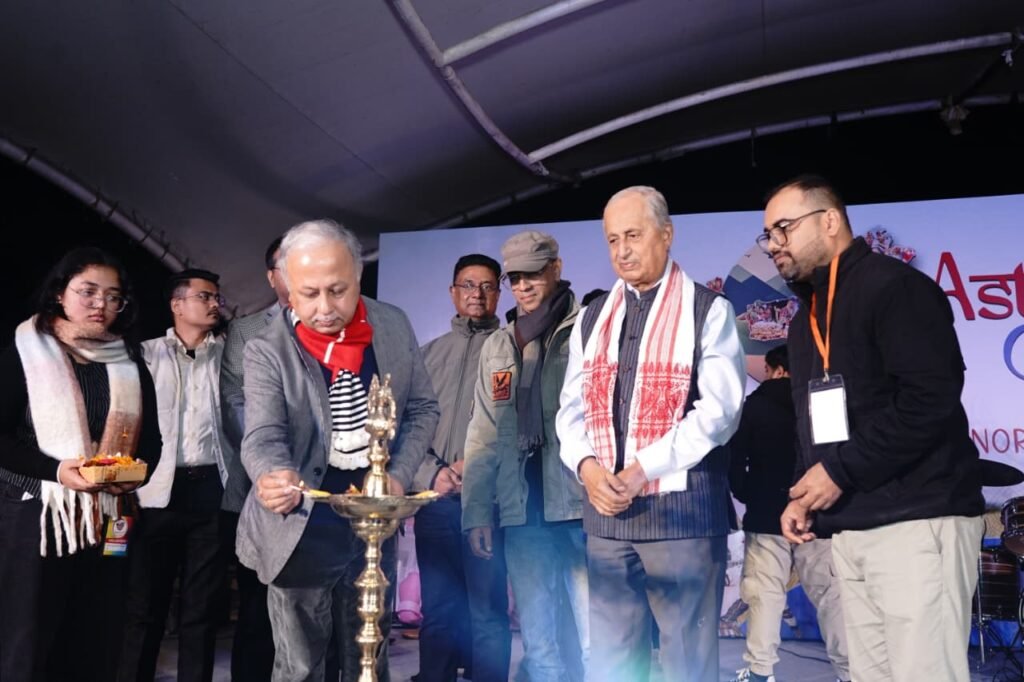
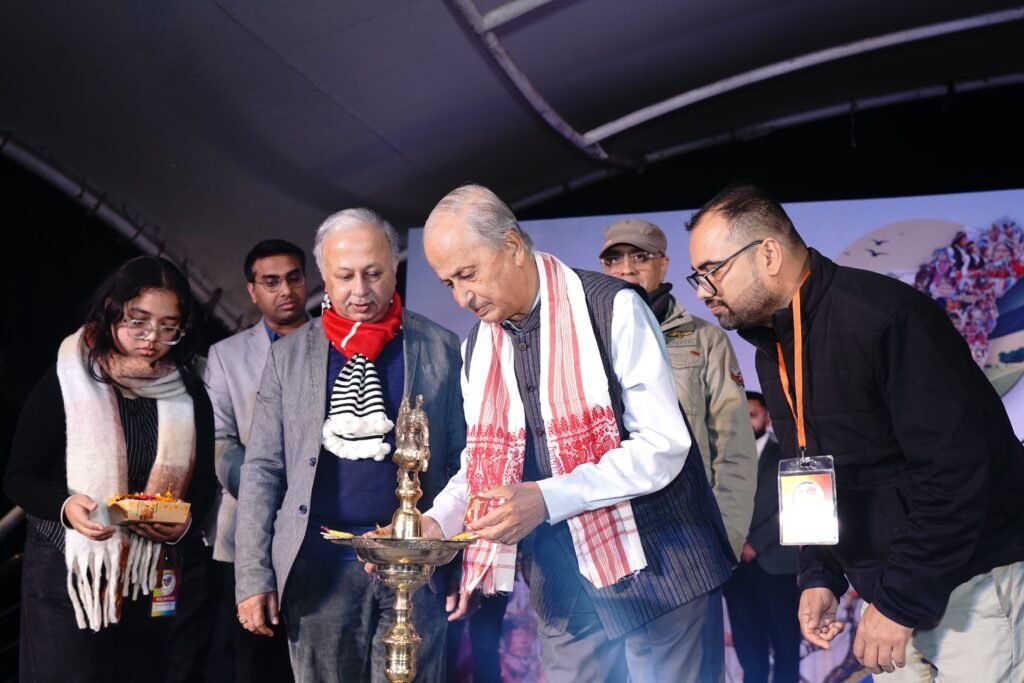
The carnival was formally inaugurated at around 6 pm, marking the commencement of a series of thoughtfully curated performances and activities. The ambience of the venue—decorated with traditional motifs and vibrant colours—reflected the ethos of unity in diversity, resonating strongly with the festival’s theme of celebrating the cultural plurality of the North East India.

The Chief Guest was former IAS officer MP Bezbaruah. He is widely known for chairing the M.P. Bezbaruah Committee, established by the central government in 2014. The committee was formed following the death of Nido Tania, a student from Arunachal Pradesh, in the national capital. The committee was mandated to come out with a report, helping at addressing concerns of racial discrimination and security issues faced by people from Northeast India living in metropolitan areas across the country.
“There is much to be done so far as northeast is concerned to bring it together, and the diversity of the northeast to be used as something one has to be proud of, and not what creates a divide,” MP Bezbaruah said on the occasion.
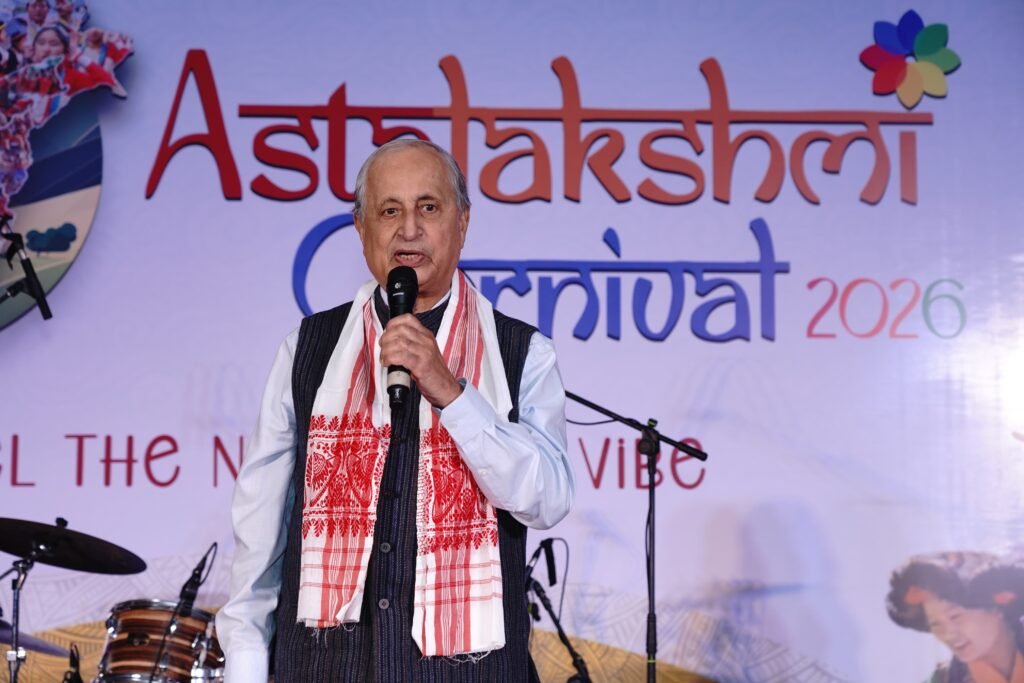
He called for more initiatives to showcase the northeast India and its diversity to the people outside the region.
“I am very happy that Yugasutra is connecting peoples, generations, cultures. And I am very happy that we are talking about Astalakshmi,” Bezbaruah asserted.
The evening began on a classical note with a Sattriya dance performance by students of Bhabananda Borbayan, which received warm appreciation from the audience. The performance showcased the grace, discipline and spiritual depth of Assam’s classical dance tradition, setting a refined and culturally rich opening for the evening’s proceedings.
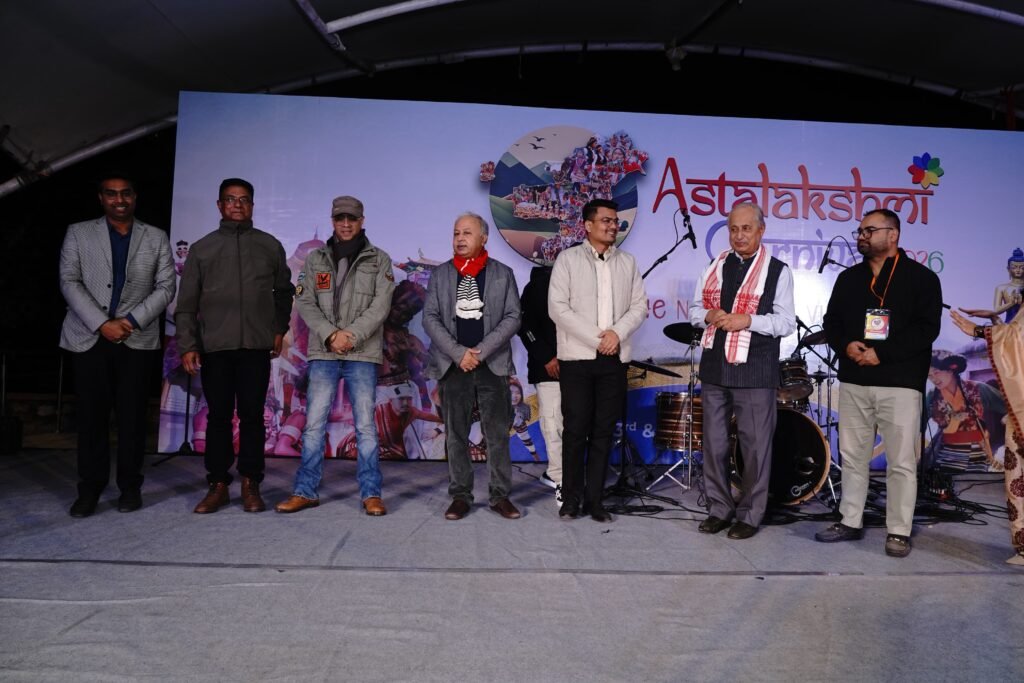
This was followed by a North East folk fusion performance by students of Lady Shri Ram College (LSR), University of Delhi, who brought together diverse folk rhythms and contemporary interpretations. The fusion performance highlighted how traditional art forms continue to evolve and resonate with younger generations, drawing applause for its energy and creativity.
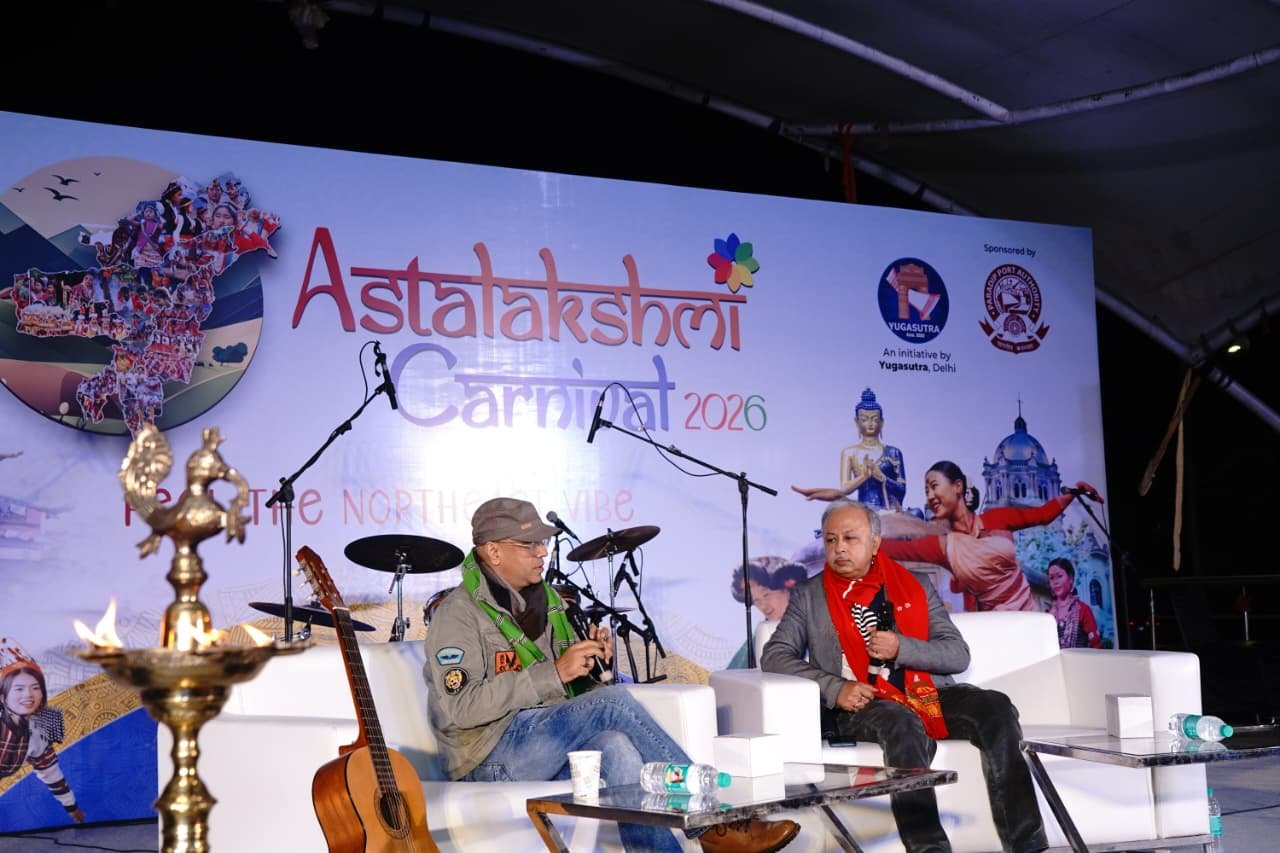
One of the highlights of Day 1 was the Conversation and Musical Interaction with Joi Barua, a renowned singer-songwriter from Assam. Moderated by film maker Utpal Borpujari, the session offered rare insights into Barua’s musical journey, creative process and deep-rooted connection to his cultural heritage. The interactive format allowed the audience to engage directly, making the session both intimate and inspiring.
As dusk settled over the venue, the festivities took on a celebratory turn with a spirited Bihu Husori performance by ASSA ND, capturing the essence of Assam’s Bihu traditions. The rhythmic beats, traditional attire and collective energy of the performers transported the audience to the heart of Assam’s celebrations, reinforcing the cultural authenticity of the carnival.
The Day 1 evening concluded on a high note with a band performance by White Bridge, where contemporary sounds blended seamlessly with folk influences, keeping the audience engaged and energised till the close of the programme.
Beyond the main stage, Day 1 of the Astalakshmi Carnival was marked by a range of creative and open activities that ran throughout the day. The Open Live Painting Session, accessible on both days of the festival, attracted artists and enthusiasts alike, creating a visual dialogue inspired by the landscapes, traditions and stories of the North East.
The Food Festival, which began at 1:30 pm on Saturday, emerged as a major attraction, drawing long queues and enthusiastic participation. Featuring a variety of traditional dishes, the food segment offered Delhiites an authentic taste of North Eastern cuisine, underscoring food as a powerful medium of cultural exchange.
An Open Stage, operational from 11:30 am onwards, provided a platform for spontaneous performances and community participation, reinforcing the inclusive and participatory spirit of the carnival.
Speaking on the success of Day 1, the organisers expressed satisfaction at the overwhelming response and participation. “Astalakshmi Carnival is envisioned as a celebration of identity, creativity and connection. The response on the first day reflects a growing curiosity and appreciation for the cultural wealth of the North East,” an organizer and a member of Yugasutra said.
The festival’s strategic location in the diplomatic enclave of Chanakyapuri also enabled participation from diverse audiences, including members of the diplomatic community, students from universities across Delhi, and families seeking a culturally enriching weekend experience.
With free entry and an open invitation to all, the Astalakshmi Carnival 2026 reaffirmed its commitment to accessibility and cultural inclusion.
Day 1 successfully laid the foundation for the concluding day, which promises an equally engaging lineup featuring traditional dances, band performances, DJ sets, open mic sessions and a special Magh Bihu celebration.