CM inaugurates newly constructed Sonowal Bhawan at Patarkuchi in Sonapur
CM inaugurates newly constructed Sonowal Bhawan at Patarkuchi in Sonapur
Tribal identity begins to fade when roots are forgotten: CM
Govt to install statue of former CM Jogendra Nath Hazarika in Dibrugarh
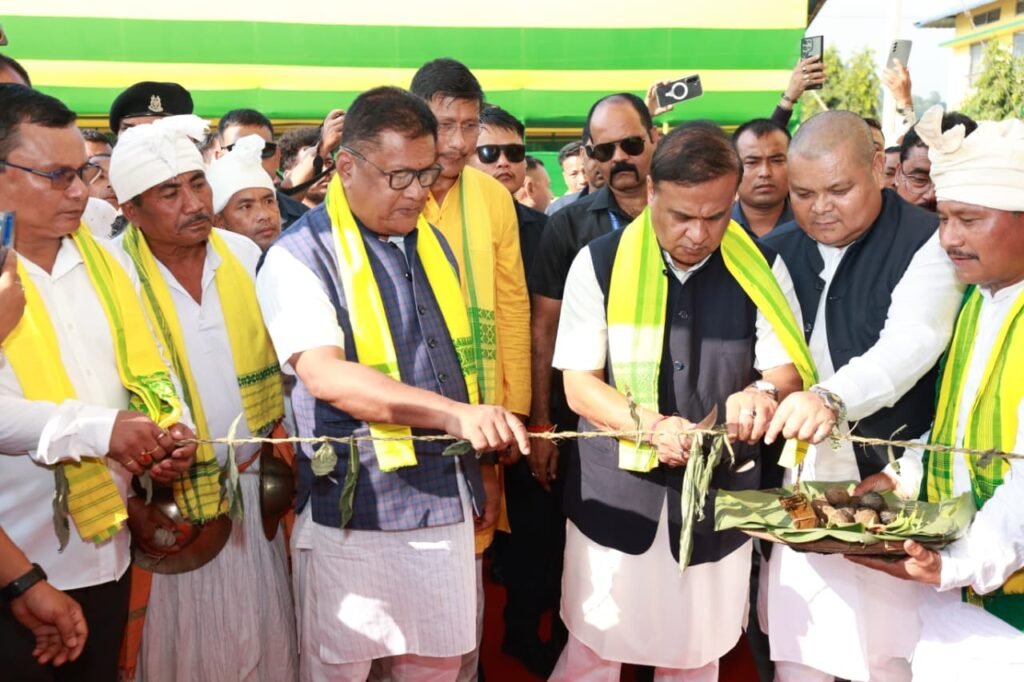
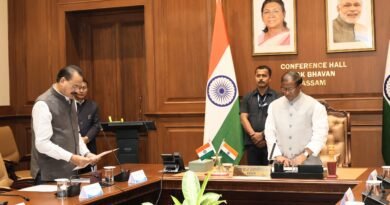
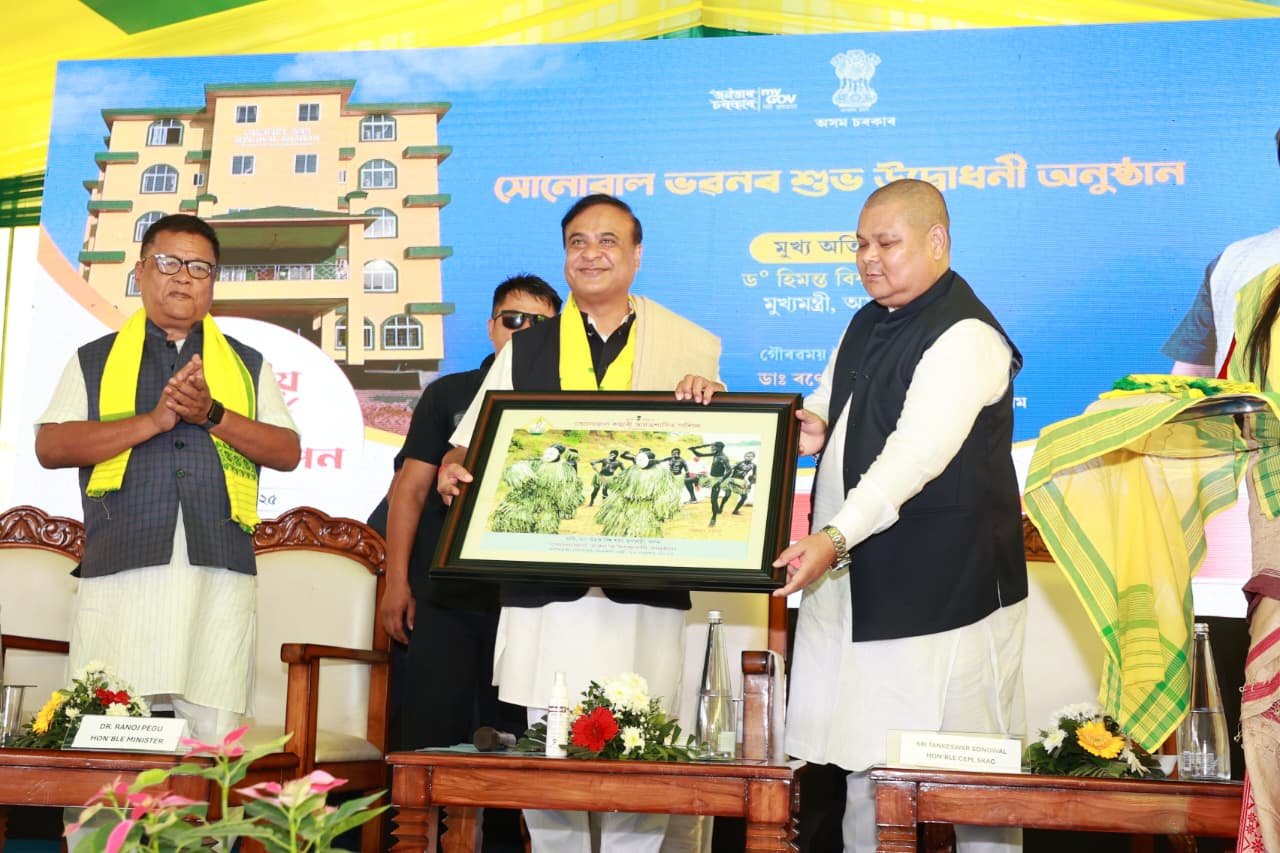
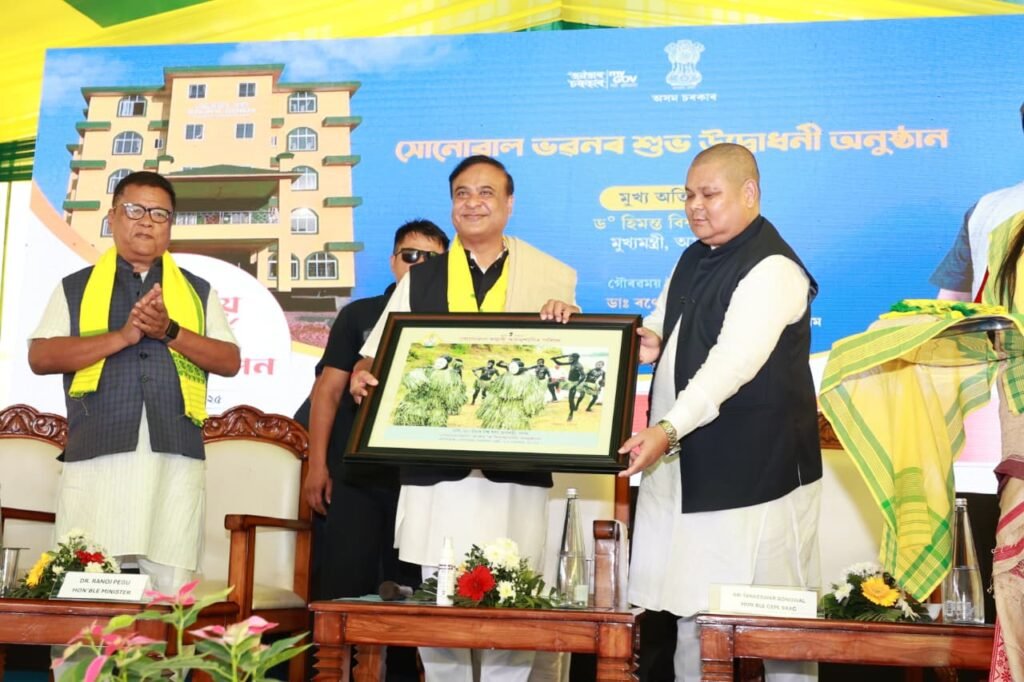
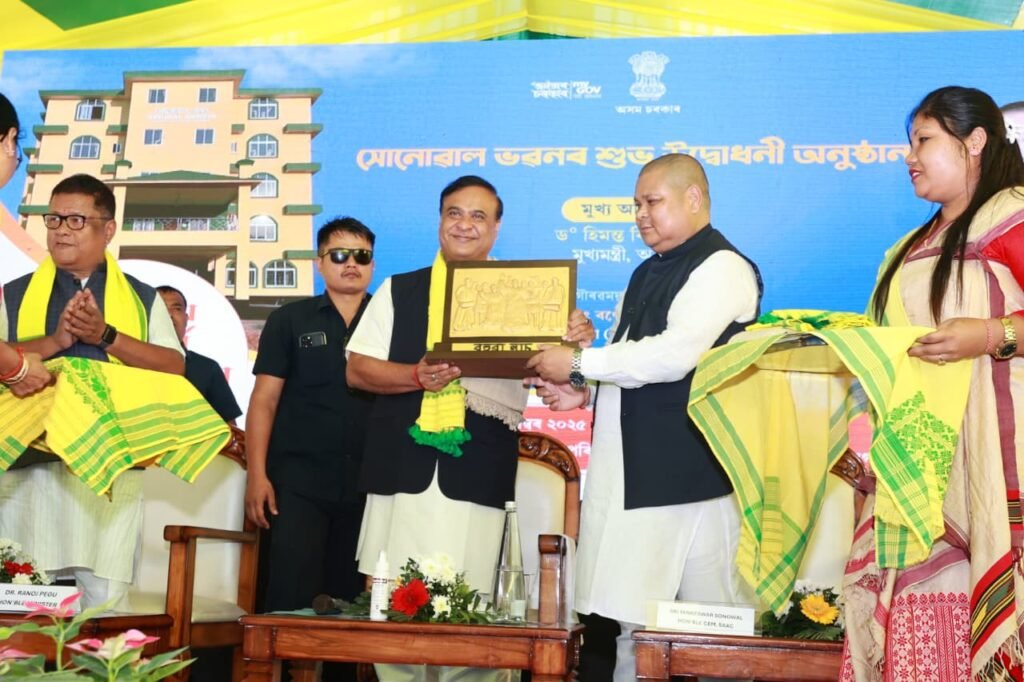
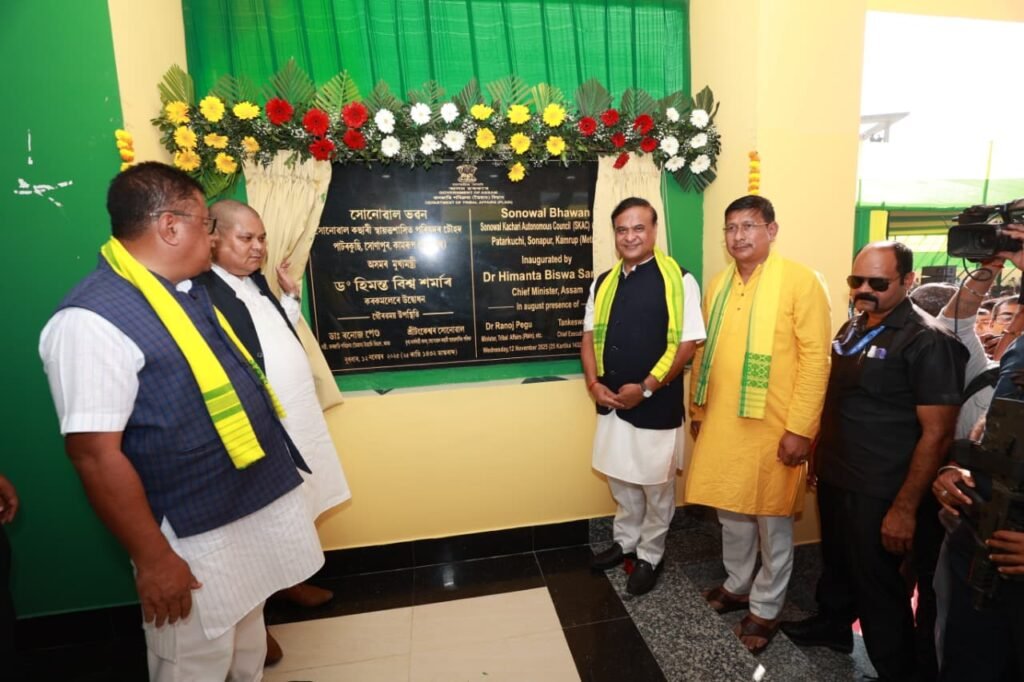
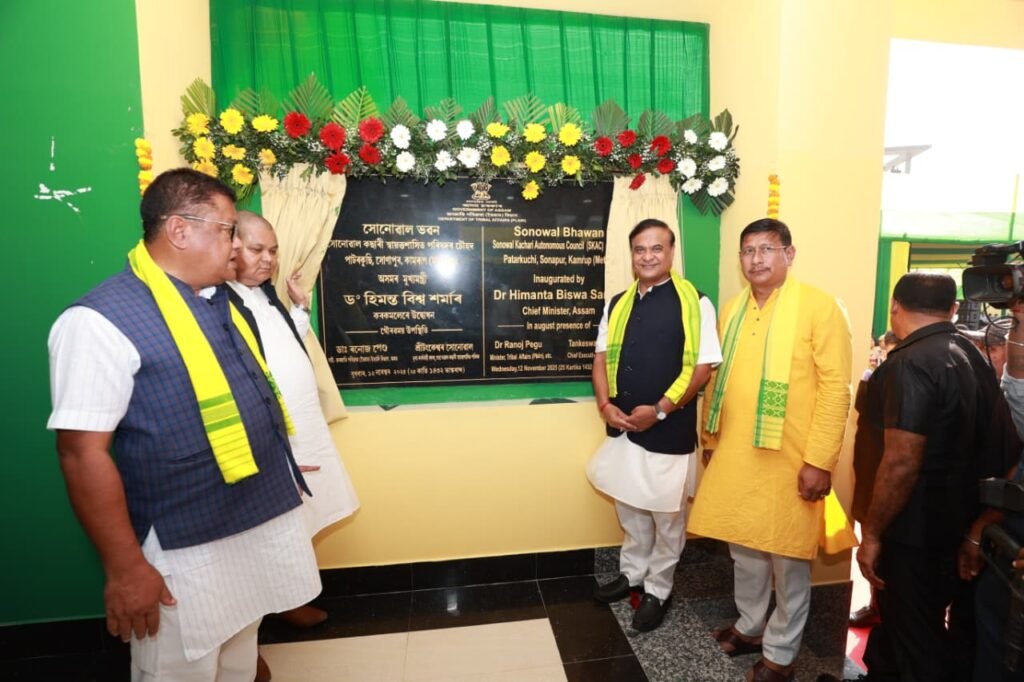
DD TIMES Dispur, November 12: In tune with the nationwide celebration of Janjatiya Gaurav Varsh Pakhwada, Chief Minister Dr. Himanta Biswa Sarma today inaugurated the newly constructed Sonowal Bhawan at Patarkuchi in Sonapur under Kamrup (M) district.
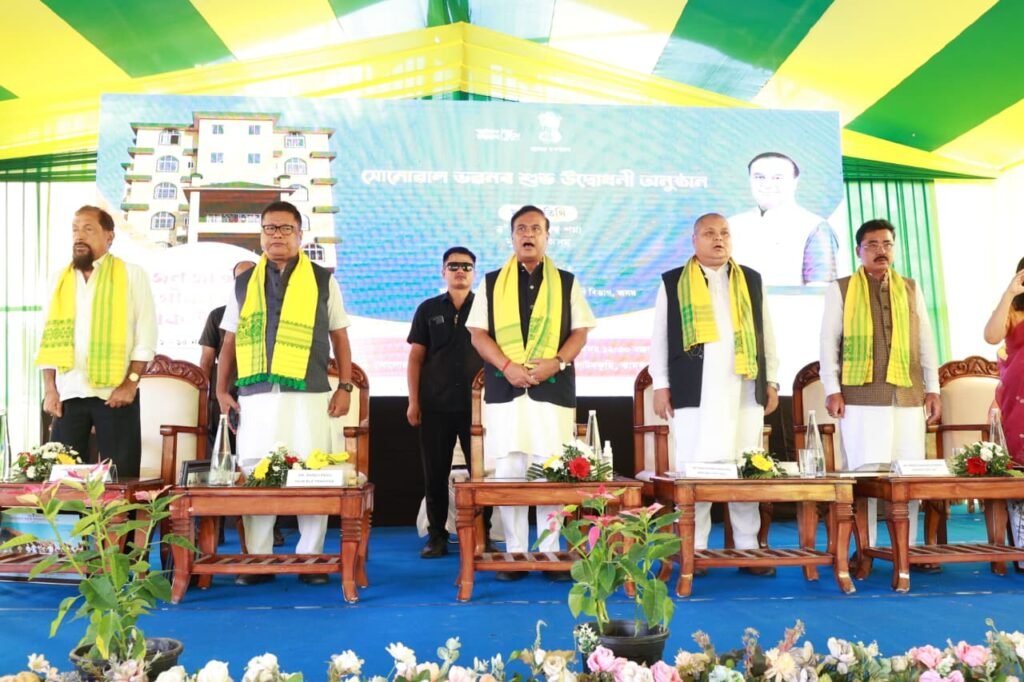
Built at a cost of approximately Rs. 7 crore under the State’s Own Priority Development (SOPD) Scheme of the Department of Tribal Affairs (Plain), along with contributions from the Sonowal Kachari Autonomous Council, the Bhawan aims to serve the students and members of the Sonowal Kachari community.
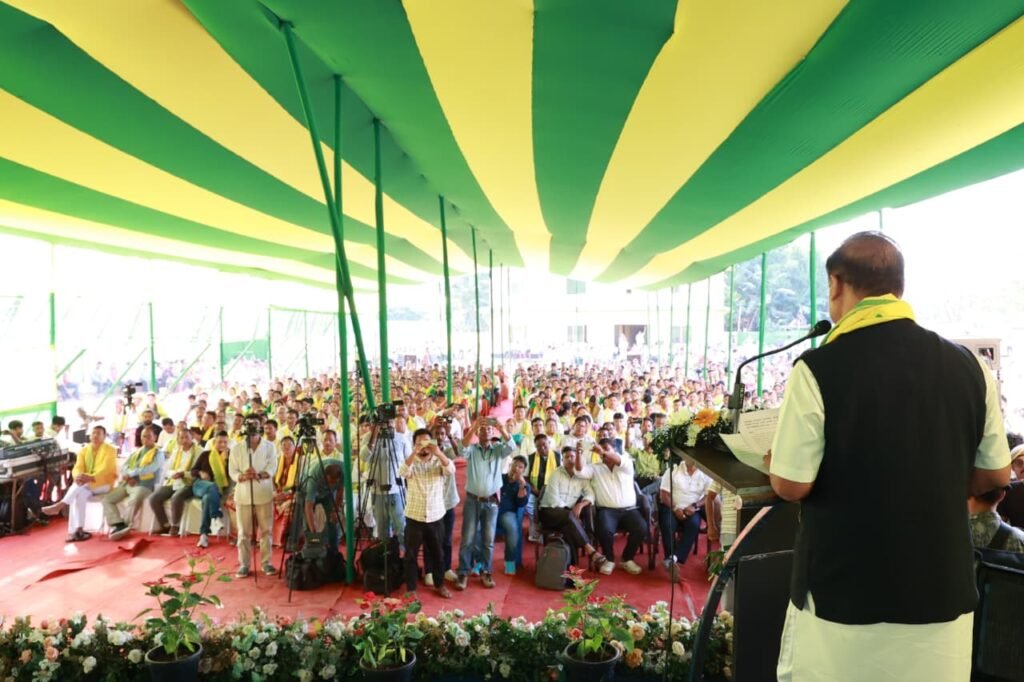
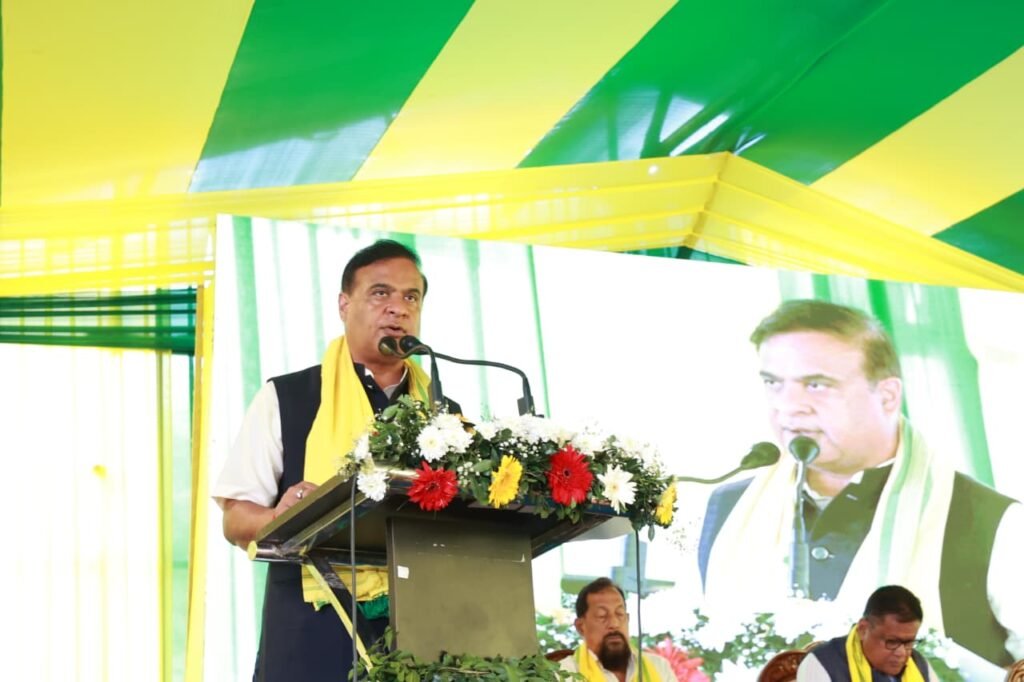
Addressing the gathering, Dr. Sarma said that under the leadership of Prime Minister Narendra Modi, the nation is celebrating the 150th birth anniversary of Bhagwan Birsa Munda as Janjatiya Gaurav Varsh. The inauguration of Sonowal Bhawan during this period adds special significance to the celebration, he said.
Recalling that the Sonowal Kachari Autonomous Council was constituted following an MoU signed on March 4, 2005, Dr. Sarma said that the construction of hostels and Sonowal Bhawans for students and people of the community was among its key commitments. He expressed confidence that the new Bhawan will benefit students and people of the community from Upper Assam visiting Guwahati.
Referring to his recent visit to the Khring Khring Baitho Temple in Sadiya, the Chief Minister said he has already announced a grant of Rs. 25 crore for the temple’s reconstruction while preserving its ancient heritage.
Construction will begin once the design is finalized, he added.
Dr. Sarma informed that the government has also initiated steps to hold elections to the Sonowal Kachari Autonomous Council before the next Assembly polls. With the draft voter list already published, the elections are likely to be held within December, he said.
Highlighting the life of Birsa Munda, the Chief Minister said the great leader not only fought against colonial rule but also worked tirelessly to safeguard the faith, culture and traditions of tribal communities.
He cautioned that when tribal societies lose touch with their roots, they risk losing their identity. Expressing concern, he said several tribal communities in Assam have already drifted away from traditional practices, retaining only about 30 percent of their original customs. If this trend continues, their languages and heritage may gradually disappear, he warned.
Dr. Sarma noted that the tribal movements in Assam since 1968 had nurtured a spirit of self-determination, and under the National Education Policy, tribal languages and cultural studies have now been incorporated into the curriculum.
He emphasized that along with government initiatives, there must also be a social awakening within tribal societies to revive and protect their heritage. Drawing parallels with countries like Australia and New Zealand, where indigenous cultures are actively preserved, Dr. Sarma said that both the Central and State Governments have taken similar steps including the celebration of Janjatiya Gaurav Divas, establishment of tribal museums and recognition of tribal languages under the NEP.
The Chief Minister informed that the State Government has created a new Department of Indigenous & Tribal Faith and Culture, dedicated to preserving and promoting indigenous and tribal traditions.
Through this department, several initiatives have already been taken to protect traditional religious and spiritual practices, making the tribal people of Assam more secure and confident.
Dr. Sarma mentioned that traditional Karbi religious practices are now being revived. He said that as Chief Minister, he also attends events such as Bathou Mahasabha, Brahma Samaj meetings and Tiwa Sahitya Sabha gatherings to express solidarity with these communities.
The revival of the Jongalbolohu Fort at Raha and naming of a road in New Delhi after Bodofa Upendra Nath Brahma, he added, reflect the government’s continuing efforts to honour tribal icons.
Announcing that the Government will install a grand statue of former Chief Minister Jogendra Nath Hazarika in Dibrugarh, Dr. Sarma fondly recalled his significant contribution during the early years of the Assam Movement.
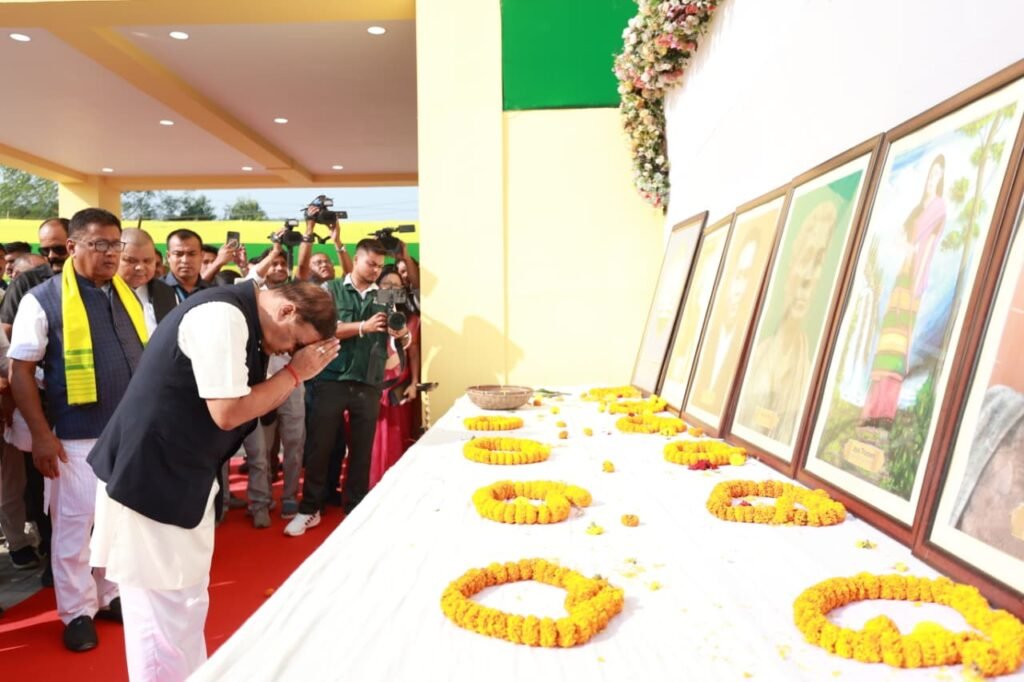
Earlier, the Chief Minister paid floral tributes to Bhagwan Birsa Munda and other great tribal leaders including Bhimbor Deuri, Kamala Miri, Jaya Thaosen, Hemaram Patar and Sambudhan Phonglo on the occasion of Janjatiya Gaurav Varsh.
The event was attended by Minister of Tribal Affairs (Plain) Dr. Ranoj Pegu, Dispur MLA Atul Bora, CEM of Sonowal Kachari Autonomous Council Tonkeshwar Sonowal, CEM of Tiwa Autonomous Council Jiban Chandra Konwar, Additional Chief Secretary of Tribal Affairs (Plain) Department L.S. Changsan, along with members of the Council and several distinguished guests.